The Advertising Job I’d Dreamed Of
Real life was a different story: no internet, no social media, no cell phones, and plenty to navigate.
 Strategy JoeMaster Sales & Revenue Strategist

When I was a kid in the 1960s, there were only three channels, and two of my favorite shows were Bewitched and Batman. They were on the same channel: ABC.
The fairytale I carried with me was that I might have a job like Darrin Stephens, working in advertising, and a wife like Samantha. I got the dream advertising job, but life didn’t turn out the way the TV show made it seem. I didn’t have a boss like Larry Tate. And when I got married, my beautiful wife turned out to be a witch of the bad kind—almost never good.
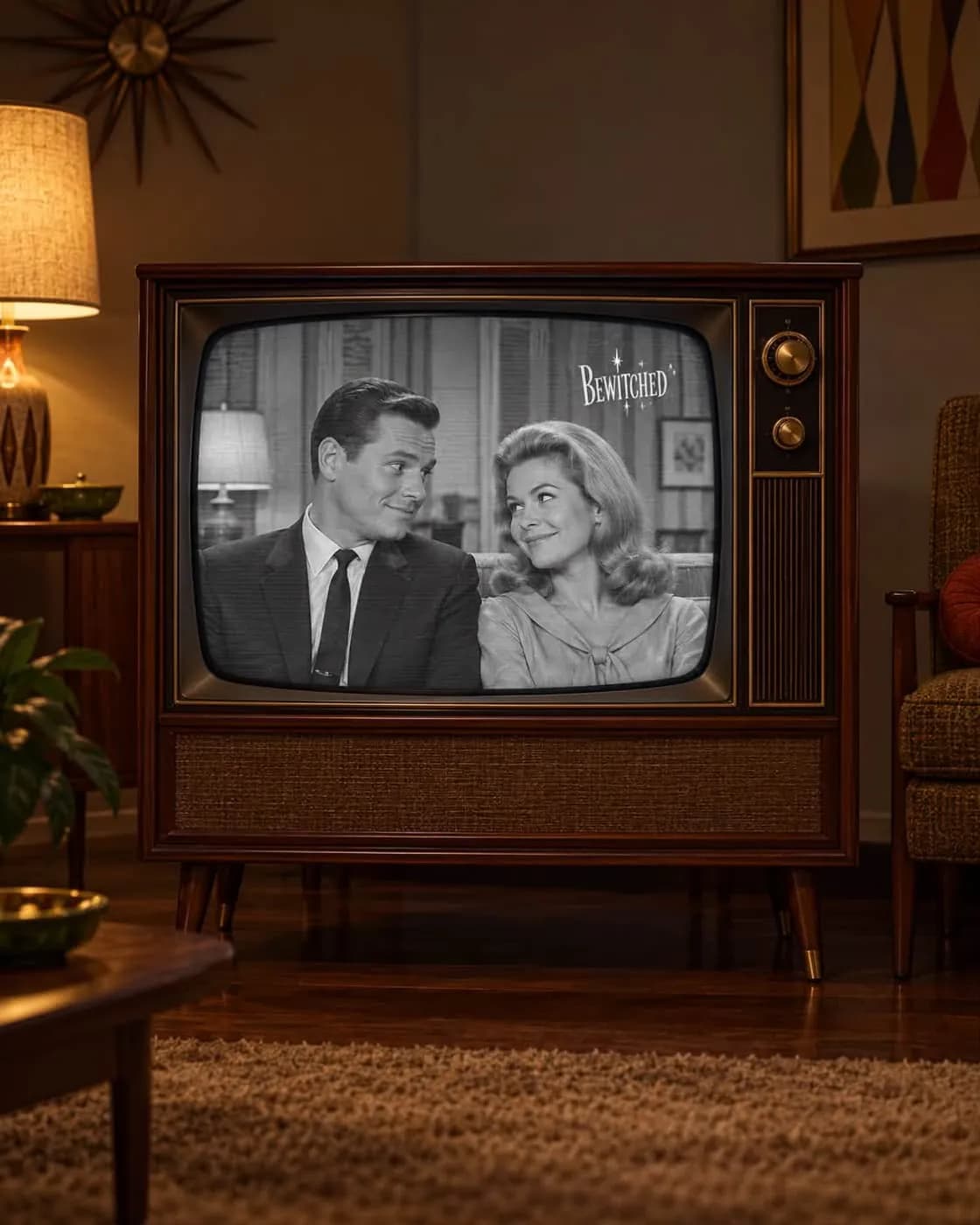
This was my first job out of college. I had recently graduated with a Bachelor of Science in Marketing, but I skipped the graduation ceremony because I thought it was stupid. After all, I already had 17 years of sales experience behind me—I had started selling when I was eight years old (Sales Story Number One). I didn’t get the degree to hang on my wall until many years later—and only because my mother insisted.
I joined a major national print and direct-mail company as an account executive. It was the U.S. Postal Service’s largest private customer, with an enormous operation and a major role in getting advertising mail into homes. The scale of the work was hard to take in at first. Mail pieces that looked ordinary in someone’s mailbox were part of a carefully coordinated system involving clients, printers, schedules, postage, and delivery.
My day was spent bringing in new accounts. My clients ranged from small retail businesses, like an ice cream shop, to large car dealerships. As with advertising today, I couldn’t promise a specific result. What I could do was share examples of how similar businesses had used comparable messages and print pieces. Even so, there were disappointments. Sometimes a client wasn’t satisfied with the response and I lost the account, which hurt and reduced the recurring monthly commissions I had counted on.
Once a client signed on, they paid a deposit, and I helped turn their idea into a print piece. I worked up rough artwork, selected or incorporated pictures and other elements they wanted the ad to depict, and guided them through the choices: card stock or glossy paper, a postcard or a foldout, and the many other formats and materials available. Many clients had little experience or talent in this area, so that was where I came in. I specialized in putting together polished, attractive pieces.
We usually went through one or two rounds of edits. Once the client approved the final layout, the remaining balance was due. Then I had to find an available mail date, allowing enough time for production at the plant, for the pieces to be assembled and prepared for mailing, and for them to reach the post office on schedule.
After the finished piece was produced, it was weighed as part of the company’s process and to meet postal requirements. Weight mattered to me, too: different weight categories and materials carried different commission rates, so the specifications of the piece affected what I earned.
One of the company’s most visible programs supported a worthy cause and included a postcard mailer. I’ll leave the details of that program undescribed here.
By around 1986, when I was 26 years old, I had been promoted to major account executive. There was no digital marketing, no internet, and no cell phones. Several of us drove what we thought were fancy cars, including BMWs. The office was extremely social, and after-hours activities—frequent nightclub visits and partying—were the norm and often seemed expected. I’d had my fair share of that kind of life growing up, and at that age, I didn’t seem to mind it much. I was also learning how large advertising programs came together, how clients and production teams depended on one another, and how much planning sat behind a piece of mail that might last only a moment in a person’s hands.
After a while, I realized I wasn’t living the fairytale I had imagined. I had pictured advertising as glamorous, like the world I watched on television. The real business was more complicated—and the experiences that followed would become a story of their own. In many ways, the reality was the opposite.
“I had pictured advertising as glamorous, like the world I watched on television. In many ways, the reality was the opposite.”
Sometimes, after the nightclub outings—occasionally late at night—I would go back to the office to work on artwork and client edits. The office had cubicles for newer advertising representatives, along with private offices. I preferred to work there because I had everything I needed to make a strong mock-up: glue, scissors, cutting tools, and all the other materials. I went there to work, not to join the party. The after-hours crowd could be loud and unruly, and their commotion sometimes made it difficult to concentrate, but I kept my focus on the artwork.
The commission checks were another frustration. I would calculate what I expected to earn, but the amount that came through was often much lower. I had gone to the factory and watched the pieces being weighed, yet the final weighing could come out either heavier or lighter than I expected. That could move a job into a different weight category, with a commission rate that paid far less. After it happened repeatedly, I felt I was being shortchanged.
This was before the formal HR departments and workplace rules people are familiar with today. The atmosphere was loose, and people seemed to do as they pleased without much concern about getting in trouble. I tried to stay focused on the work because I had income goals to meet, and that was difficult enough when my commissions were unpredictable. But if I declined an outing, I could be treated like an outsider.
The group’s party spirit extended beyond the office. Their vacations could take them to hedonistic destinations around the world, including Club Med. I’ll admit I went on one or two of those trips, but I wasn’t like some of my coworkers. They were serious party animals, and at times it seemed the job came second.
The job became increasingly frustrating. I wasn’t meeting my income goals, and I wasn’t moving up the corporate ladder as quickly as I wanted. At the same time, I was preparing to move to another city to marry my fiancée. I submitted my resignation, and that chapter ended. It wasn’t my last brush with advertising; I’ll tell those stories later. By then, though, I had no illusions about what an advertising job would be.
The job didn’t deliver the fairytale I had imagined, but it taught me valuable lessons about sales, creative work, client expectations, compensation, and choosing the right environment. My later advertising roles would begin with a clearer view of what to ask—and what to expect.
Lessons I took with me
- 01Look closely at the culture before accepting a job.I learned to spend time around the office and talk with the sales representatives to understand what the people and expectations were really like.
- 02Understand the commission plan in detail.I should have asked more questions about how commissions were calculated, what could change the rate, and how the final numbers were determined. I learned to imagine the worst-case scenario and ask what could go wrong.
- 03Set realistic expectations with clients.I couldn’t promise results, but I could share relevant examples. I also learned that even a well-crafted campaign could disappoint a client, so retention and recurring commissions were never guaranteed.
- 04Use creativity to bring a client’s vision to life.I learned to ask better questions, understand what the client wanted the ad to communicate, and turn that vision into a polished piece.