This Is What Started It All
An eight-year-old in a suit, trading coins at mall shows. The first lessons that lasted six decades.
 Strategy JoeMaster Sales & Revenue Strategist

My first year in sales was 1967, although I was unaware that I was even in sales.
The lessons I learned at that time became some of the most important lessons I carried throughout my entire sales career—a career in which I am still active nearly six decades later.
Yes, I was a boy—eight years old—and I had taken an interest in collecting coins. That interest led me to begin trading coins for profit very shortly after I got into the hobby. My trading was with coin dealers, some of whom were the age I am now.
I wore a suit when I traded.
My dad was my transportation, and I did well for an eight-year-old. I never had to pass up a toy I wanted—or anything else a young boy my age might desire.
What excited me was that I could go to a coin show in a shopping mall—which was still a fairly new concept at the time—buy coins at one table, and 15 minutes later trade them at another table for a pretty decent profit. Looking back, my average profit was around 20% to 25%.
I had no overhead. My dad was patient—something I’m not, and certainly wasn’t back then.
No, I didn’t know it was sales, but looking back on it, it sure was.
I had not yet read the important sales books written by the men who would later become my heroes—Zig Ziglar, Ben Gay, and Tom Hopkins. But even without that education, I had instinctively begun developing my own sales style.
It was based on pleasant interaction. Even at that age, I tried to figure out what was in it for the coin dealer—and what would make him respond favorably to my offer.
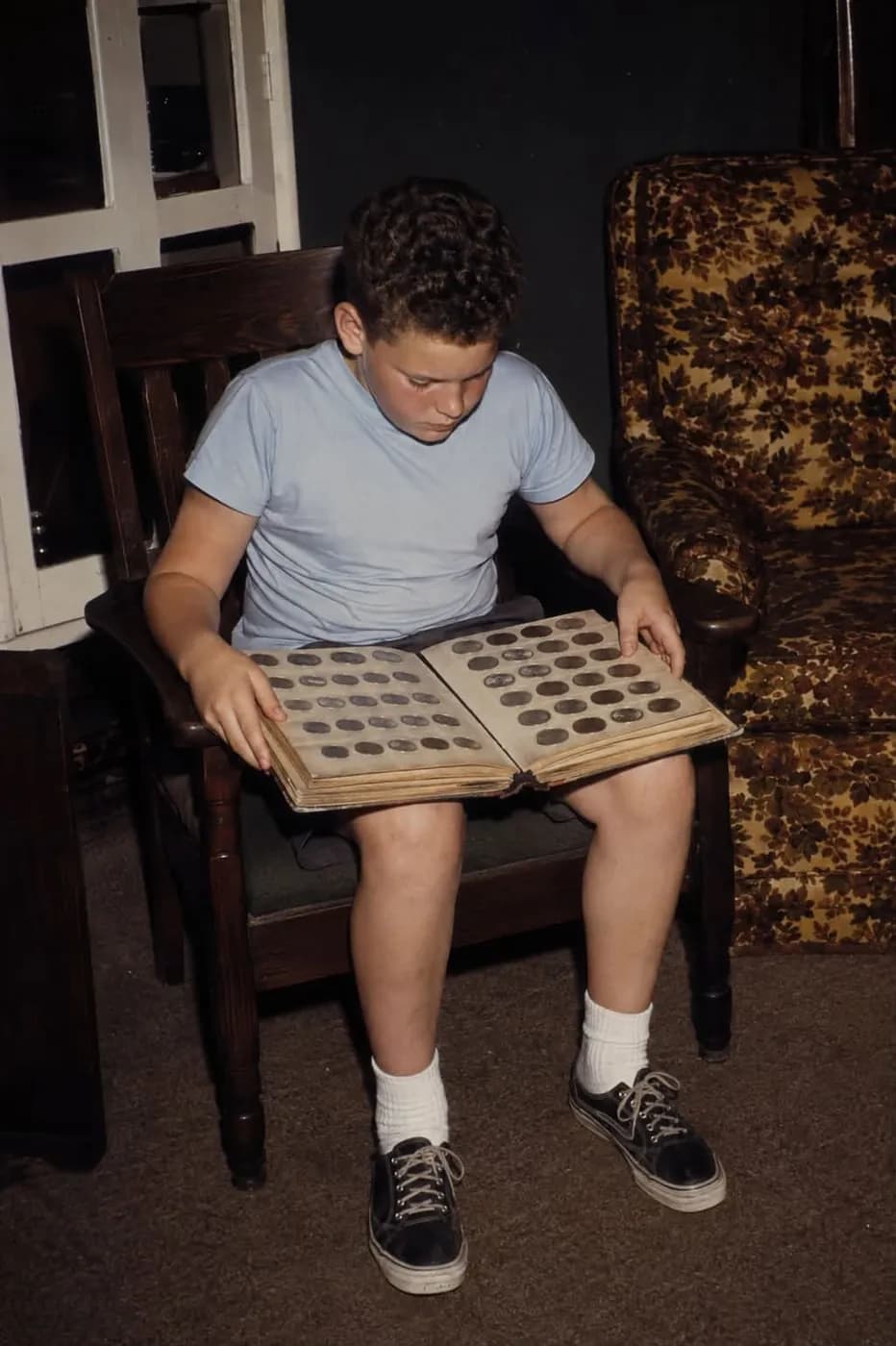
I also made sure I had cash in my pocket. That way, if there was an agreement on price, I was ready to go. I wouldn’t let the sale grow cold—I could complete the transaction immediately.
I viewed my prospects—the coin dealers—as experienced and savvy enough to try to get the better of me during a negotiation. I also understood that I had to offer something that was in it for them.
Before making an offer, I naturally asked questions instead of leading with my pitch. That allowed me to tailor my presentation and deliver it when the time was right.
“Why couldn’t the first coin dealer have simply sold these coins to the second dealer without waiting for me to show up?”
I also studied the coins a dealer had on display. They gave me clues as to whether he had experience with the type of coins I was trying to sell and whether he dealt in that particular market.
Again, I hadn’t read a book about any of this. I was simply feeling my way through it naturally and relying on instinct.
I also understood that, for the most part, I was perceived as a cute novelty—maybe even a little prodigy in the eyes of some—and I worked that to my full advantage.
Sometimes I think that helped me receive more favorable terms. At least, it felt that way.
When I went to a new table to trade coins I had just bought from the previous dealer, one question always came to mind:
Why couldn’t the first coin dealer have simply sold these coins to the second dealer without waiting for me to show up?
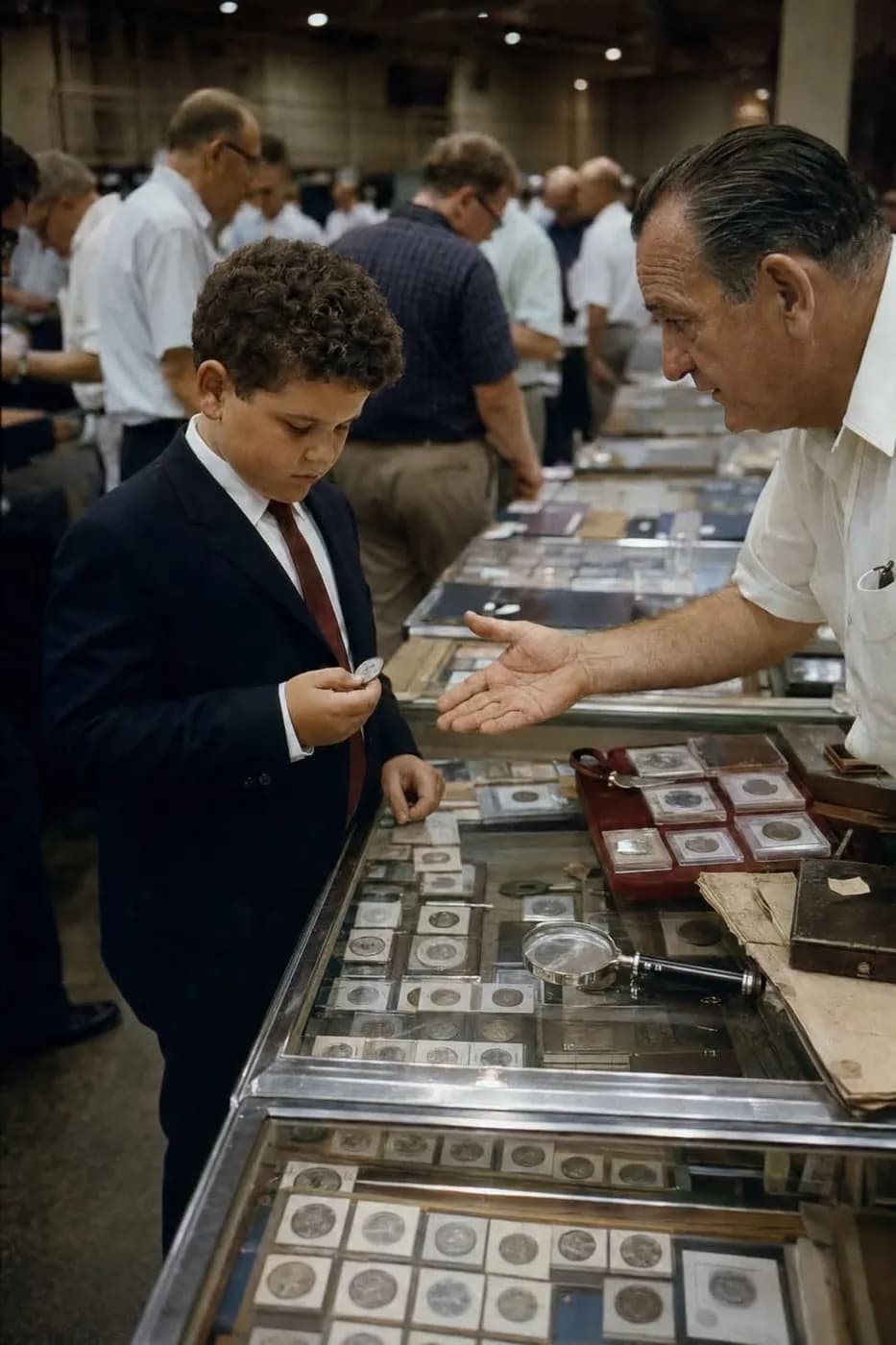
At first, I assumed that thought was logical. But there you go with assumptions—they often don’t come to pass, especially in the mind of an eight-year-old.
And what if the first dealer had already shown those coins to the second dealer?
Coin dealers had a lot on their minds. Then a little kid dressed in a suit showed up with the same coins, and suddenly the focus might not have been entirely on the coins—it might also have been on the little kid presenting them.
Sometimes I passed on taking money out of the flip so I could retain inventory for future trades.
Those opportunities might come at coin shows, which took place four to six times a year, or by getting my dad to take me to more coin shops with my new finds.
I had no long-term goals other than the immediate goal of making a successful trade and then jumping into the next one.
I was too young to have acquired much of a taste for material goods. I did what I did because of the enthusiasm and joy I felt.
I would later translate that feeling into the joy of sales:
The joy of creating a win-win transaction.
The joy of making money.
And the joy of doing something different from what the average eight-year-old was doing.
The accompanying images were created with the assistance of AI as visual recreations based on original photographs from 1967.
Some of the lessons I learned
- 01You’re never too young—or too old—to start in sales.
- 02Whether you’re presenting something in person or over the internet, you don’t have to wear a suit.But be well-groomed, be presentable, and always wear a smile on your face.
- 03Whenever you achieve something great, buy yourself a toy as a reward.Hopefully, it’s not too expensive—something under $100. You’re never too old to reward yourself for a job well done.
- 04Try to make a decent profit without gouging anyone.If you gouge people, word gets around quickly, and eventually you’ll be out of business. But if you make only a tiny, minuscule profit, you won’t retain your enthusiasm for every sale you make. Whether you’re a setter or a closer, you will eventually lose interest. The transaction has to be worthwhile for both sides.
- 05When educating yourself about sales—whether through YouTube or by listening to other sales professionals—first, don’t pay too much for it.Second, surround yourself only with true “masters” of sales: people who have dedicated the time, gained real experience, and don’t carry oversized egos. The internet is filled with so-called experts who believe that instruction alone qualifies them to create great salespeople. In reality, many of them are more like professors than genuinely accomplished salespeople.
- 06Always try to view the transaction from the perspective of the person you are presenting to.ALWAYS. If you don’t do this, your pitch is doomed from the beginning.
- 07Be prepared to proceed with the financial part of the transaction immediately once the sale is made.If you aren’t, you will begin losing sales that you worked hard to close.
- 08Don’t live above your means, especially when you’re in sales, because sales can be up and down.Put money away when sales are up so you can survive when you have a slump.
That was the beginning.
That was what started it all.
— Strategy Joe