Why a $150 Commission Beat a $600 Commission
The Ford Escort lesson high-ticket sellers keep missing.
 Strategy JoeMaster Sales & Revenue Strategist
In 1977, my Sundays were usually spent at a club my parents belonged to.
It wasn’t a fancy club, but it did have a softball team. The team was made up largely of potbellied former Cuban professional baseball players who would run the bases while drinking beer—and spilling plenty of it along the way.
I was a teenager at the time, and I played first base.
What amazed me was the way some of these former professionals could field a ball and, with what looked like nothing more than a flick of the wrist, fire it across the diamond toward me at tremendous speed.
The softball would slam into my glove so hard that it felt as though it might go straight through it.
I would immediately pull off my glove and nurse my aching hand before returning the ball to play.
One of the players who didn’t have a potbelly was the general manager of a Lincoln-Mercury dealership.
My father spoke with him, and before I knew it, I had a job as a salesman on a team of six people headed by a man named Rob, who was the sales manager.
There were two sales teams, and management constantly pitted them against each other, with bonuses and prize money going to the winners.
Every sale mattered.
Every customer mattered.
And every team wanted to prove it was the best.
The dealership was located in a seedy part of town, on a street lined with seven to ten other automobile dealerships.
Across the street was a house owned by a stunning blonde who, in those days, would probably have been described as a “sex worker.”
Every morning, we would all watch from the dealership parking lot as she drove into her driveway, parked her car, and proceeded into the house.
There were also guys who frequently walked up and down the street begging for money.
It was not the kind of neighborhood where visitors would have wanted to walk around at night.
Still, it was where I began my career in automobile sales.
And it was where I learned that selling cars had very little to do with simply showing someone a vehicle.
It was about understanding what people wanted, what they feared, and what they could afford.
That lesson became especially important when the market changed and large luxury cars suddenly became almost impossible to sell.
America had already been shaken by the Arab oil embargo of 1973 and 1974. People had experienced gasoline shortages, long lines at gas stations, and the frightening realization that the fuel they had always taken for granted might not always be available.
Then another oil crisis hit in 1979.
Gasoline prices climbed rapidly, shortages returned, and the buying public became extremely nervous about owning anything that burned too much fuel.
Gas-guzzling cars didn’t suddenly become bad cars.
They became cars that people were afraid they could no longer afford to operate.
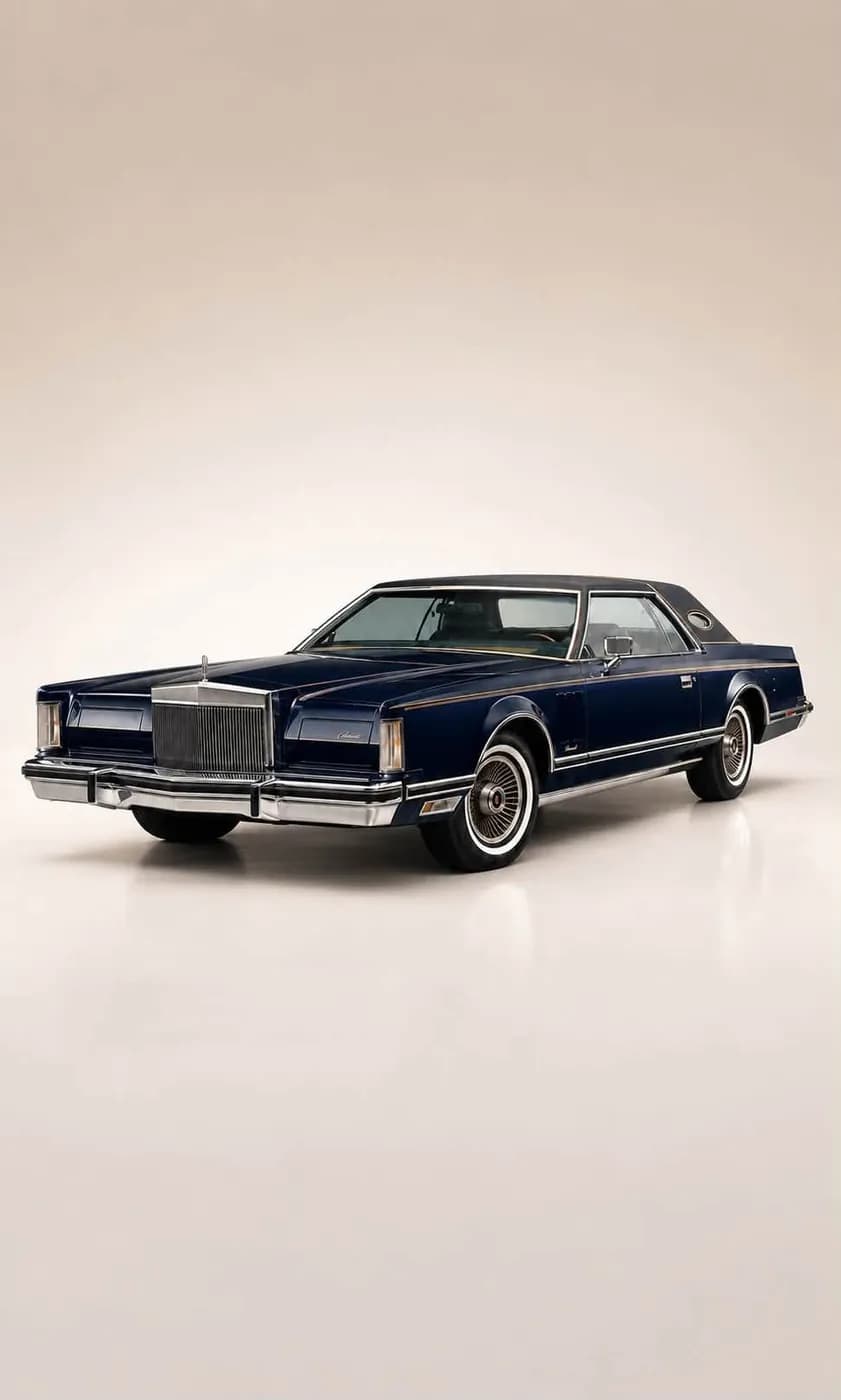
Now imagine trying to sell a massive Lincoln Continental Mark V—or possibly one of the early Mark VIs—during that environment.
“The biggest possible commission doesn’t always represent the best opportunity.”
These were beautiful automobiles.
They represented luxury, prestige, comfort, and success.
But customers were no longer looking only at the leather seats, the long hood, or the beautiful body lines.
They were mentally calculating how much it would cost every time they pulled into a gas station.
We had plenty of automobiles to sell.
What we didn’t have were enough people willing to buy them.
Still, many of the salesmen continued trying to sell the Mark Vs because there was considerably more commission in those deals.
If I remember correctly, we were paid approximately 20% of the gross profit on a sale.
Sometimes a salesman could hold between $2,000 and $3,000 in gross profit on one of those cars. That meant a commission of approximately $400 to $600 on a single sale.
That was a lot of money back then.
The carrot being dangled in front of us was huge, and some of the salesmen simply couldn’t see past it.
Then the Ford Escort came along.
And, quite frankly, it saved us.
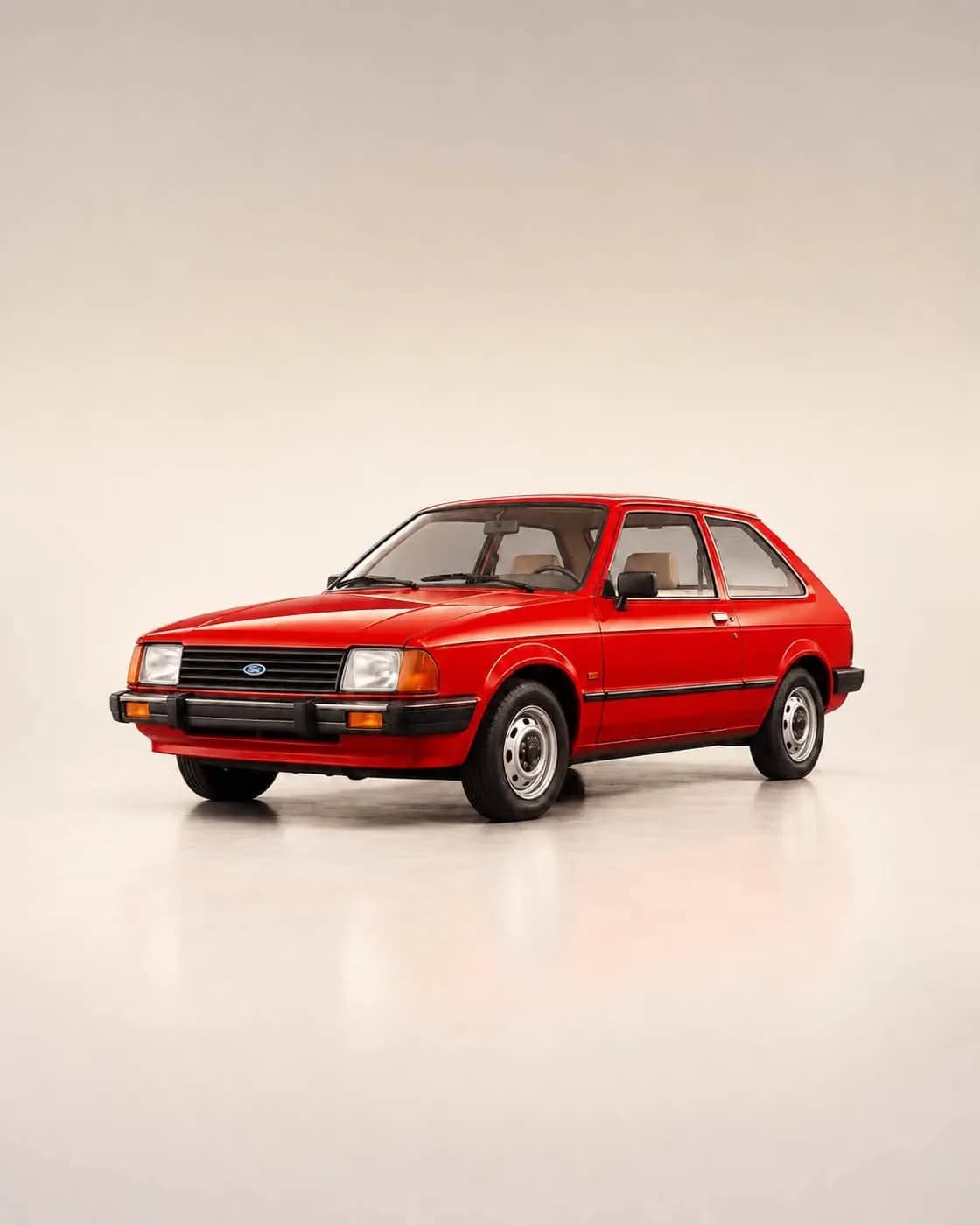
The commission on an Escort was a flat $150 per unit.
We had a couple of sales meetings in which we went over the Escort’s features, specifications, and benefits.
But that $150 commission was difficult for most of the salesmen to get past.
They were still thinking about the $400, $500, or $600 they might make if they could put someone into a Mark V.
I was okay with the $150.
I wasn’t looking for the biggest possible commission on a car that almost nobody wanted to buy.
I wanted to survive in the automobile business and make it through a very difficult period.
Besides, we also had a used-car lot attached to the dealership.
Sometimes, if a used car had been sitting on the lot for more than 120 days, we could earn as much as 50% of the gross profit as our commission.
If I could sell one of those aged used cars every once in a while, it made my paycheck a little better and considerably more consistent.
I understood something that some of the other salesmen didn’t seem to understand.
A $150 commission on a car I could sell was better than a $600 commission on a car I couldn’t.
Almost everyone in the sales space today is constantly talking about “high ticket.”
They tout the benefits of only having to land a couple of sales every week before you can own that nice house and drive that fast car.
In my opinion, a lot of that is BS.
Why don’t some of you take a serious look at “low ticket”?
If it is a genuinely good product at a price people can afford, maybe you can sell a lot of them.
The biggest possible commission doesn’t always represent the best opportunity.
Sometimes the lower-priced product that people actually want is what keeps you in business.
That was the Ford Escort for us.
Without it, I don’t know if we would have sold much of anything.